

AI runs on more than chips: what stayed with me after Singapore TechWeek 2026
The image I keep thinking about from Singapore TechWeek is a humanoid robot on the exhibition floor, with generators, cooling equipment, and data-centre systems all around it.

Wachirawuth "Kitti" Rattiwarakorn
Founder & Strategic Advisor, Korn Consultancy · · 4 min read
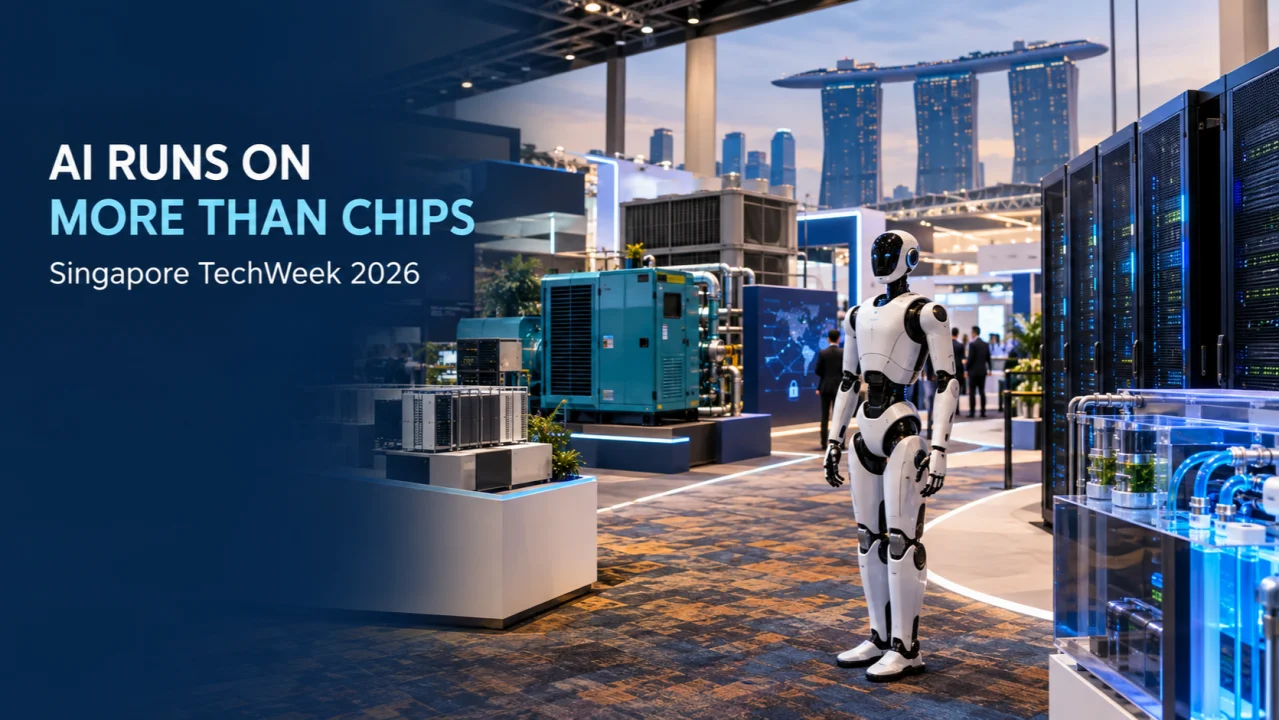
The image I keep thinking about from Singapore TechWeek is a humanoid robot on the exhibition floor, with generators, cooling equipment, and data-centre systems all around it.
It was a good snapshot of where technology is heading. We talk a lot about AI models and what they can do. But seeing the hardware up close brought me back to a simpler question: what has to work behind the scenes before AI can make a difference at scale?
Singapore TechWeek took place at Marina Bay Sands on 29 & 30 September, under the theme “The Infrastructure Era.” Across the event, the focus ranged from cloud and AI infrastructure to data centres, cybersecurity, data, and DevOps. Data Centre World Asia also hosted the Open Compute Project’s Southeast Asia Tech Day for the first time, with speakers from Meta, Google, Micron, and NVIDIA discussing open hardware and computing infrastructure.
I spent time looking at the exhibits, and five ideas kept coming together for me.
1. Open hardware is moving into the real world
AI infrastructure is putting pressure on the whole data centre: servers, racks, networks, power, cooling, and the teams that have to maintain it all. Open designs give companies a shared place to start. In the right setting, that can make systems easier to adapt and scale and give operators more choice in how they build.
The OCP Tech Day was a clear sign that these conversations are gaining momentum in Southeast Asia. Open infrastructure is being discussed as a practical way to build, not just an interesting idea on paper. Still, a shared design does not make deployment effortless. Integration, testing, service, and support all matter. The opportunity is real, but the details still decide whether it works well in production.
2. Power design is changing with AI
Walking past the generator and power-system displays, I was reminded that AI growth depends on a very physical resource: electricity. High-density computing puts more pressure on how power gets from the grid to the equipment.
That is one reason high-voltage DC systems, including 400V and 800V approaches, are getting attention. They may reduce some conversion steps and help with the demands of dense compute. But most data-centre operators cannot simply replace everything they already have. The shift will likely be gradual, with AC and DC systems working side by side as facilities add new capacity.
That transition has practical consequences. Operators have to think about protection, equipment compatibility, maintenance, and safety, as well as efficiency. For anyone planning an AI-ready facility, power architecture deserves a place in the conversation early, not after the racks have been chosen.
3. Cooling brings water and location into the picture
The cooling displays made the heat side of the equation visible. I saw liquid-cooling equipment, including a primary cooling module, alongside modular data-centre systems. As servers become denser, removing heat becomes a central part of designing the facility.
And cooling connects directly to water. Different approaches have different water and energy needs, while local conditions determine what is practical. In Asia, where data-centre growth is accelerating, water availability can affect where facilities are built and how much they can expand.
There is no single cooling answer for every site. The point is that capacity means more than securing enough power. Operators need to consider the full picture: energy, cooling, water, and the conditions around the site.
4. Open infrastructure depends on trust in its supply chain
Standardising hardware can make it easier to build at scale, but it also makes trust essential. Operators need to know where components come from, how firmware is maintained, how updates are handled, and whether supplies will remain available.
The cybersecurity presence at the event was a useful reminder that infrastructure and security belong in the same conversation. Open designs can offer more transparency and choice, but those benefits depend on secure components and dependable processes around them. Supply-chain resilience is part of building infrastructure that people can rely on, not a box to tick later.
5. Robots need more than a good demo
The robotics displays caught my attention, especially the humanoid robots and industrial systems on the floor. They made the move from software AI to AI acting in the physical world feel much closer.
But a robot is only one part of the picture. In a real operation, teams also need ways to manage fleets, update software, monitor safety, and connect machines to everyday workflows. That is where the model starts to look familiar: a common hardware platform, a management layer on top, and applications built for particular jobs.
It is a pattern we can also see in data-centre infrastructure. Standard building blocks make it easier for companies to develop their own services and capabilities above them. The hard part is making all the pieces work together reliably.
The bigger picture
My main takeaway from Singapore TechWeek was that AI infrastructure is a connected system. Compute depends on power. Power and compute create heat. Cooling depends on technology, water, and location. And the whole system needs secure components and careful operations if it is going to scale.
That feels especially relevant in Asia. The region’s AI ambitions will depend not only on access to chips or cloud services, but also on where infrastructure can be built and operated reliably. Decisions about hardware, power, cooling, water, and security will shape cost and resilience for years to come.
I left feeling encouraged by what I saw, but also more aware of the work between a promising demonstration and a dependable service. Building AI at scale is an engineering challenge from the ground up.
For those building or operating infrastructure in Asia, what is the biggest constraint you are working through right now: power, cooling and water, hardware supply, or connecting AI and robotics to real operations? I’d love to hear what you’re seeing.
Share this article
This article reflects the author's views for general information only and is not professional advice. See our Disclaimer.
Related insights
Retail AI
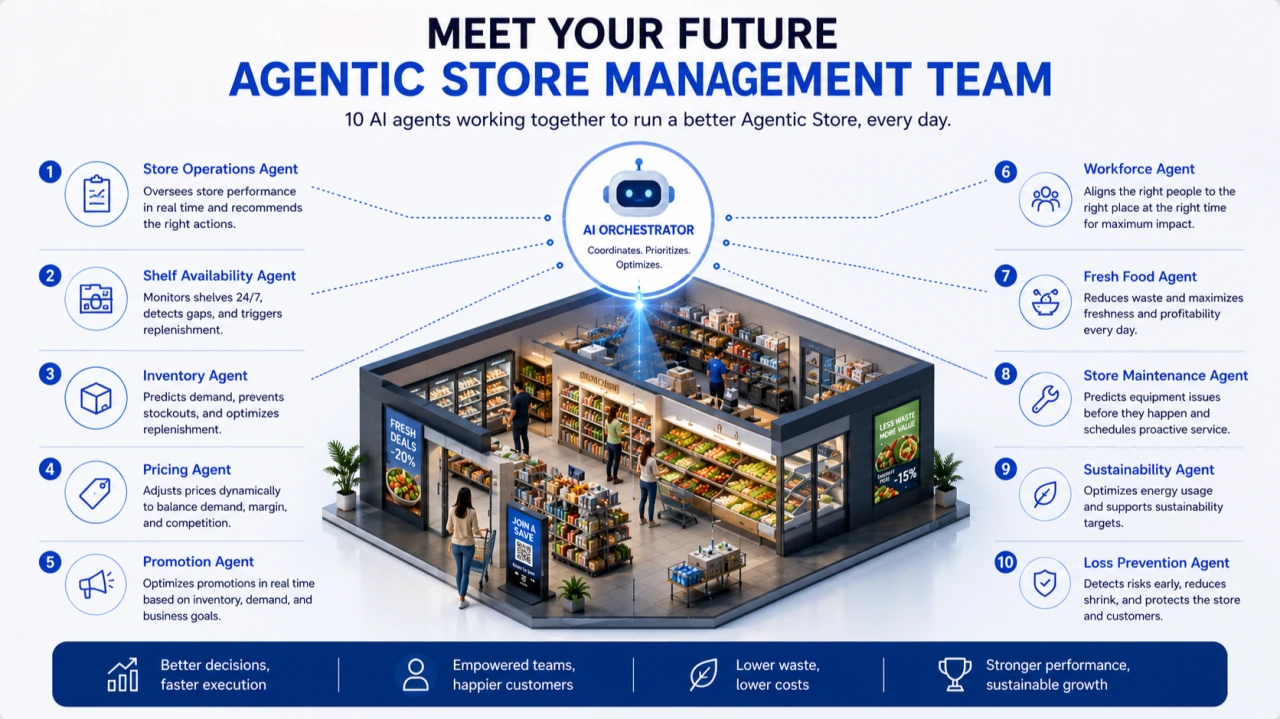
Meet your future Agentic Store management team
Previously, I shared why I believe the future of physical retail has shifted from building a Smart Store to building an Agentic Store of the future.
25 August 2026 · 8 min read
Retail AI
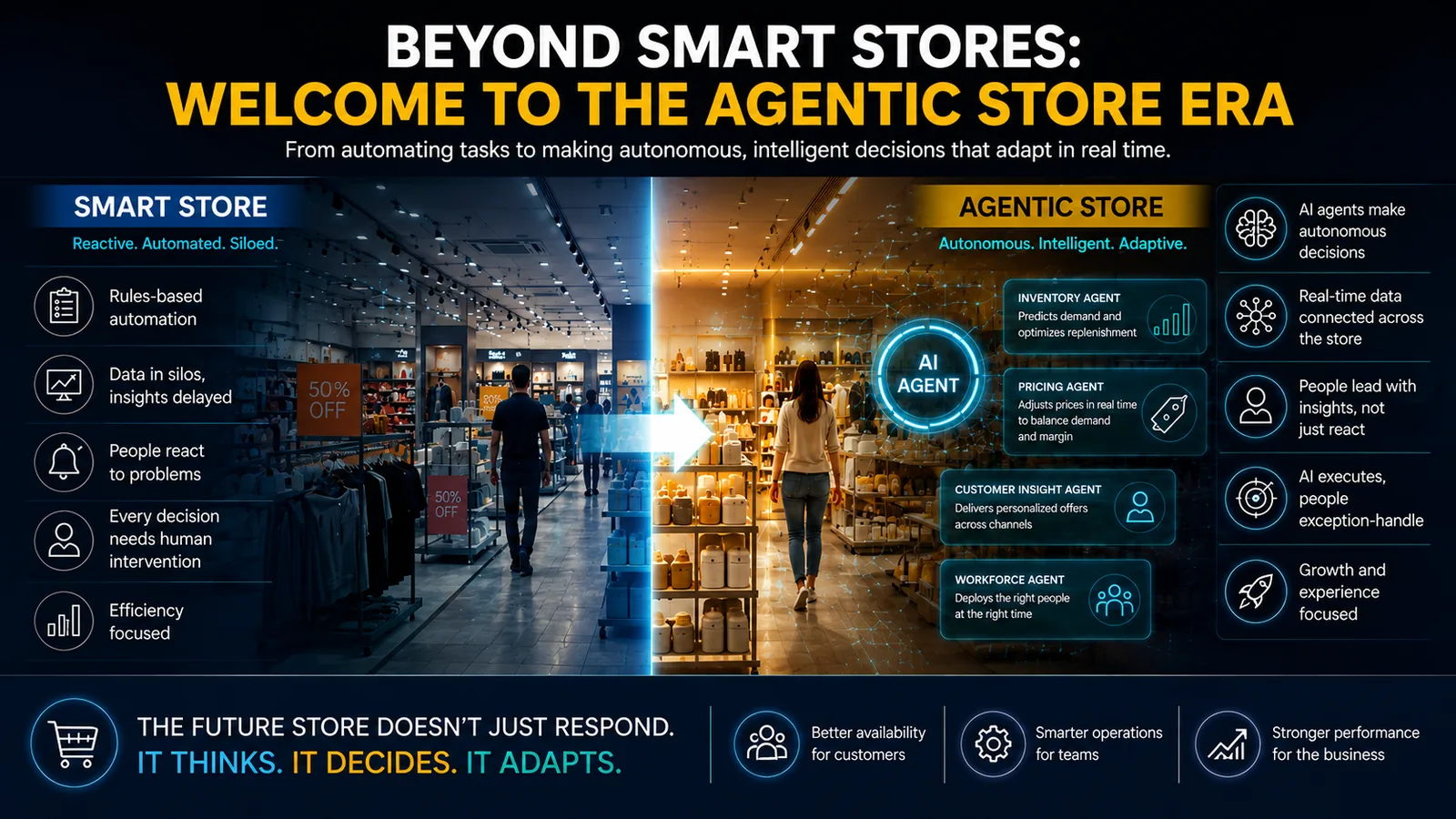
A paradigm shift from Smart Store to Agentic Store
For a decade, retailers poured billions into smart stores: sensors, cameras, electronic shelf labels, self-checkout, dashboards. Stores got smarter.…
11 August 2026 · 5 min read
Discuss this with Kitti
Book a confidential Executive Strategy Session to explore your goals, challenges and the most promising next steps.